Best Cuban Cigars for Beginners: A 2026 Starter Guide
The best Cuban cigars for beginners are mild-to-medium Habanos that offer genuine complexity without overpowering nicotine strength — making them ideal for those new to the world of Cuban tobacco. Brands like Hoyo de Monterrey, Romeo y Julieta, Montecristo, H. Upmann, and Trinidad produce accessible vitolas at approachable price points, giving newcomers a proper introduction to what makes Cuban cigars so widely celebrated.
Best Cuban Cigars for Beginners in 2026
The picks below are chosen for three qualities every beginner deserves: a manageable strength level, a smoke time that rewards patience without becoming a chore, and a price that doesn’t punish an explorer. Each is an authentic Habanos S.A. vitola with an established track record.
| Cigar | Vitola | Ring Gauge | Length | Strength | Why Beginners Love It |
|---|---|---|---|---|---|
| Hoyo de Monterrey Epicure No. 2 | Robusto | 50 | 4 7/8" | Mild-Medium | Consistently smooth; creamy nuts and cedar profile is universally liked |
| Romeo y Julieta Short Churchills | Robusto Extra | 54 | 4 3/8" | Mild-Medium | Wide ring gauge softens the draw; floral and honey notes are very approachable |
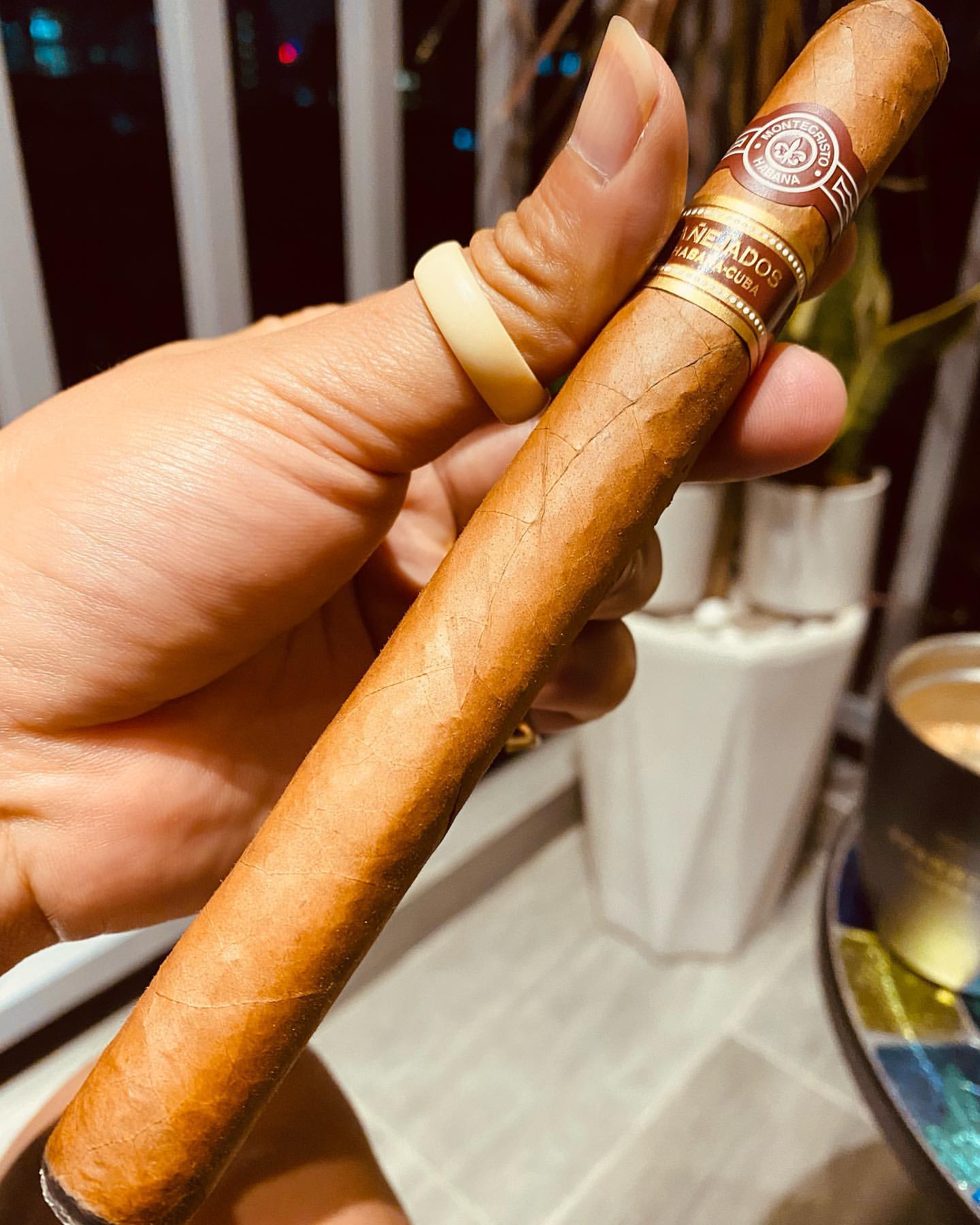
| Montecristo No. 4 | Mareva | 42 | 5" | Medium | The world’s best-selling Cuban cigar; a textbook example of Cuban construction and flavor balance |
| H. Upmann Magnum 50 | Edmundo | 50 | 5 3/4" | Mild-Medium | Rich creaminess and gentle spice; a longer smoke that rewards slow puffing |
| Trinidad Vigia | Petit Robusto | 52 | 4" | Medium | Short, elegant, and refined — an easy entry point into one of Cuba’s most prestigious brands |
What Strength Should a Beginner Start With?
New smokers should start with mild-to-medium cigars. Full-strength Habanos — think Bolivar Belicosos Finos or Partagas Serie D No. 4 — deliver nicotine levels that can cause nausea or dizziness in those without a built-up tolerance. A mild-medium cigar provides enough body and complexity to be genuinely interesting while keeping the experience comfortable.
As a general rule, if you are new to cigars altogether, begin at the mild-medium end. After five or six smokes you will know whether you want more strength or prefer to stay in that register. There is absolutely no shame in remaining a mild-to-medium smoker — some of Cuba’s finest tobacco falls squarely in that range.
Why Robusto-Sized Vitolas Suit New Smokers
A Robusto (roughly 4.5–5" long, ring gauge 48–52) is the most recommended format for beginners, and there are practical reasons for that consensus. A shorter cigar reduces the total smoke time, meaning the tobacco doesn’t over-heat and turn harsh the way a longer cigar can when smoked too quickly. A wider ring gauge opens up the blend, taming strength and softening sharp edges. The Hoyo de Monterrey Epicure No. 2 and the Romeo y Julieta Short Churchills are both Robustos — not by accident.
Longer, thinner vitolas like the Laguito No. 1 (used for the Trinidad range) demand a very slow, controlled puffing cadence to avoid overheating. That technique comes with experience. Start fat and short; graduate to lanceros later.
How to Pick a Cuban Cigar by Price
Budget is often the first real filter for beginners. Here’s a rough guide to where these picks sit:
- Under £20 / ~$25 per cigar: Montecristo No. 4 — the most accessible Cuban of true quality anywhere in the world.
- £20–£30 / ~$25–$38: Hoyo de Monterrey Epicure No. 2 and Romeo y Julieta Short Churchills both sit comfortably here and over-deliver at the price.
- £30–£45 / ~$38–$57: H. Upmann Magnum 50 and Trinidad Vigia — slightly elevated prices reflect the prestige of the brand and the quality of the blend.
Buying in boxes of 25 always lowers the per-cigar cost and allows the cigars to rest and marry properly in your humidor — something even beginners benefit from immediately.
Does the Brand Name Matter When You’re Starting Out?
Yes — more than ring gauge, more than length, brand lineage matters. Each Habanos brand has a house style maintained by master blenders in Cuba. Montecristo, for instance, is characterized by medium strength, earthy cedar, and subtle cocoa. That profile is consistent across its entire line and across decades of production. Beginners benefit from that consistency because it removes unpredictability from the experience. You know what you’re getting.
What the brand name does not guarantee, however, is authenticity. Counterfeit Cuban cigars are common across global markets. Before purchasing, read our guide to spotting authentic Cuban cigars versus imitations — it could save you from a disappointing first experience that was never about the real product at all.
Frequently Asked Questions
Are Cuban cigars legal to buy as a beginner?
Legality depends on your country. Cuban cigars are legal to purchase throughout the United Kingdom, Europe, Canada, and most of the world. US residents face import restrictions under the trade embargo, though personal-use allowances have historically existed for travellers. If in doubt, check the current customs rules for your jurisdiction before ordering.
How long should I smoke my first Cuban cigar?
The Montecristo No. 4 and Trinidad Vigia will give you roughly 45–60 minutes at a relaxed pace. The H. Upmann Magnum 50 runs closer to 75–90 minutes. For your first smoke, choose a Robusto-format cigar and allow yourself at least an hour of uninterrupted time. Rushing a cigar makes it hot and harsh — the single biggest mistake new smokers make.
Do I need a humidor before I buy Cuban cigars?
If you plan to smoke within a week or two, you can store a small number of cigars in a sealed zip-lock bag with a Boveda 65% humidity pack. For any serious quantity, a desktop humidor is strongly recommended. Cigars stored at the wrong humidity (too dry or too wet) burn unevenly and taste off — which unfairly makes the cigar look bad when storage is actually the culprit.
Which Cuban cigar is the absolute best starting point?
The Hoyo de Monterrey Epicure No. 2 is the most commonly recommended first Cuban cigar among enthusiasts worldwide, and for good reason. It is mild-medium in strength, consistently well-constructed, widely available, and its flavour profile — creamy cedar, toasted nuts, a hint of sweet grass — is immediately pleasant even to palates new to premium tobacco. Start there.
Final Thoughts
Beginning your Cuban cigar journey doesn’t require spending a fortune or smoking something intimidatingly complex. The five cigars above represent genuine quality, honest construction, and flavour profiles engineered — deliberately or by decades of reputation — to please a wide range of palates. Start with the Hoyo Epicure No. 2 or the Montecristo No. 4, smoke slowly, take notes, and let your taste be your guide from there. Once you’re ready to explore further, browse our full Cuban cigars collection for every brand and vitola we carry.
When you’re ready to step up in strength, explore the Partagas range — one of Cuba’s most full-bodied brands. And always ensure what you’re buying is genuine: our authenticity guide is the best first read before any purchase.