Montecristo No.2 vs No.4: Cuba’s Most Famous Cigars Compared (2026)
The short answer: When comparing Montecristo No.2 vs No.4, the No.2 is a full-sized torpedo delivering a longer, more powerful and complex smoke, while the No.4 is a shorter petit corona ideal for a refined 30-to-45-minute session. Both are medium-full in body, but the No.2 develops considerably more depth over its 90-minute burn.
Why These Two Montecristos Matter
The Montecristo brand is the best-selling Cuban cigar in the world by volume, and the No.2 and No.4 are the two vitolas that built that reputation. The No.4 — a classic Mareva format — has been in continuous production since the brand was created in Havana in 1935. The No.2 — a torpedo, or Piramide — arrived later but quickly became one of the most recognisable cigar shapes on earth.
Together they appear on almost every recommended-Cuban-cigar list and are the first Habanos products many newcomers encounter. Alongside heavy-hitters like the Cohiba Behike and the Partagas Serie D No.4, the No.2 and No.4 anchor our full Cuban cigars collection. Understanding the difference between them helps you choose confidently and avoid paying for more cigar than your session demands — or less than your palate wants.
Montecristo No.2 vs No.4: At-a-Glance Comparison
| Specification | Montecristo No.2 | Montecristo No.4 |
|---|---|---|
| Vitola | Piramide (torpedo) | Mareva (petit corona) |
| Length × Ring Gauge | 156 mm × 52 | 129 mm × 42 |
| Approximate Smoke Time | 75–90 minutes | 30–45 minutes |
| Body / Strength | Medium-full (develops toward full) | Medium-full (consistently balanced) |
| Core Flavour Profile | Cedar, dark chocolate, coffee, black pepper, leather | Coffee, cedar, nuts, cream, subtle spice |
| Wrapper | Vuelta Abajo (Colorado claro–colorado) | Vuelta Abajo (Colorado claro–colorado) |
| Best For | Experienced smokers, long afternoon sessions | All levels, quick lunch break or morning smoke |
The Montecristo No.2 — Cuba’s Iconic Torpedo
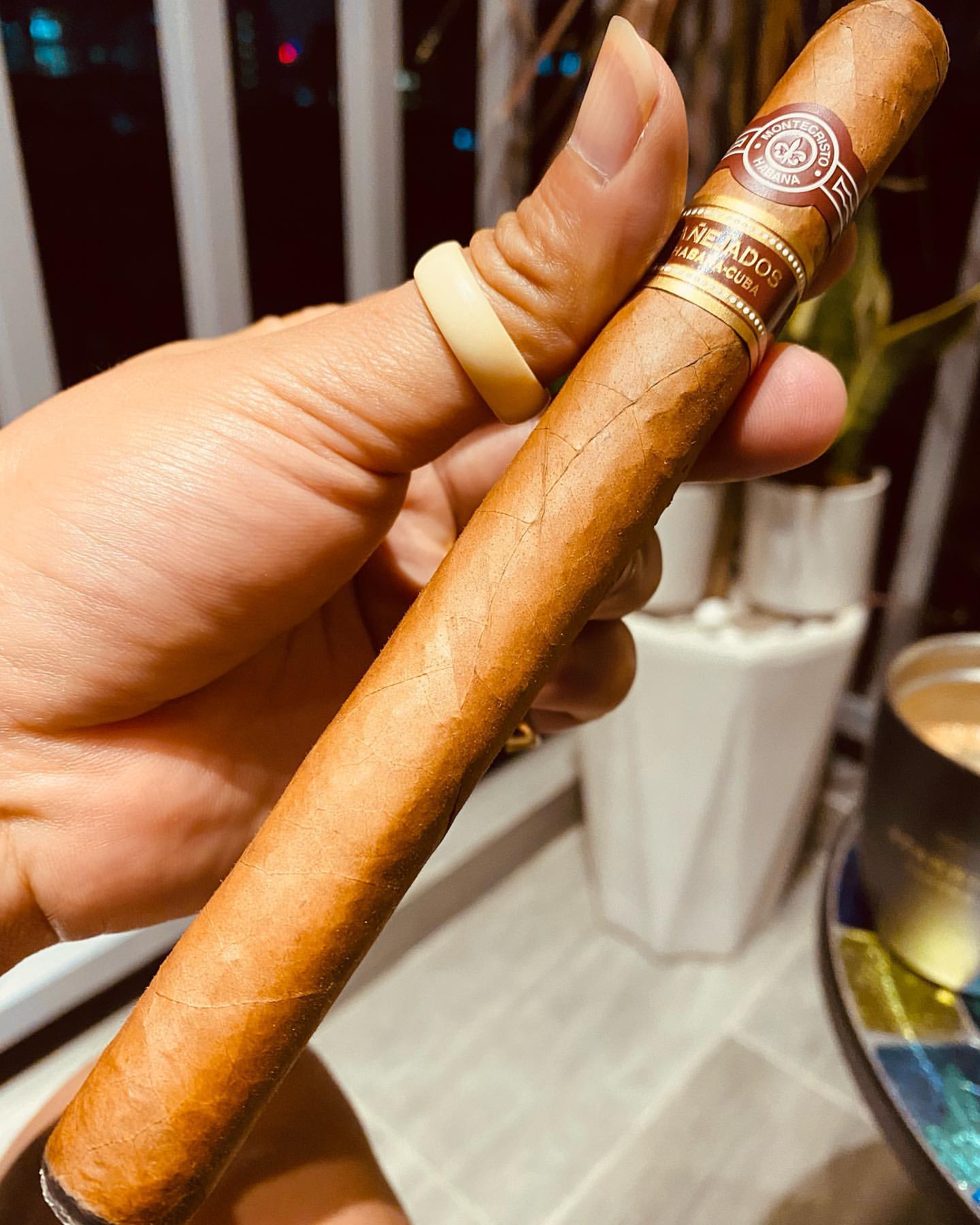
The Montecristo No.2 is a Piramide: a closed, pointed head that tapers from a 52 ring gauge at the foot to a sharp tip. This shape serves a purpose. The tapered head concentrates the draw resistance and focuses the smoke stream, delivering a more intense and directed hit of flavour than a parejo (straight-sided) cigar of the same ring gauge.
At 156 mm long, the No.2 provides a generous smoke time of 75 to 90 minutes. The classic flavour arc begins with cedar, roasted coffee, and light spice in the first third, deepens into dark chocolate and leather in the second, and often produces a warming black pepper and creamy finish in the final third. The smoke becomes progressively fuller as it progresses — if you are not used to full-bodied Cuban cigars, you may want to put it down at the two-thirds mark.
The No.2 is consistently ranked among the greatest Cuban cigars ever made. It ages beautifully: a five-year-old No.2 from a properly humidified box often shows a creaminess and integration of flavours that a fresh cigar cannot approach.
The Montecristo No.4 — The Perfect Everyday Cuban
The Montecristo No.4 is a Mareva — the standard petit corona format at 129 mm × 42. It is the most widely smoked Cuban cigar format in the world, and the Montecristo version is arguably its finest representative. At 30 to 45 minutes, it fits into almost any schedule without demanding a long, uninterrupted commitment.
The flavour profile is medium-full rather than building toward full. Coffee and roasted nuts open the smoke, followed by cedar and a gentle creaminess that persists to the end. The smaller 42 ring gauge produces a cooler, drier smoke than the wider No.2, which some smokers prefer as it allows more subtle flavour nuance without the power of a larger ring.
The No.4 is also the more economical choice. A box of 25 costs considerably less than a box of No.2s, making it an ideal daily smoker for those who want genuine Montecristo quality at a reasonable cost-per-cigar.
Which Is Stronger: the Montecristo No.2 or No.4?
Both are classified as medium-full body, but the No.2 is unambiguously stronger in practice. Its larger ring gauge holds more high-primed filler tobacco, and its longer smoke time means more cumulative nicotine delivery. By the final third, the No.2 has shifted firmly into full-body territory for most palates. The No.4, by contrast, maintains a consistent medium-full profile throughout and rarely delivers the same level of intensity.
Which Montecristo Is Better for Beginners?
The No.4 is the better starting point. Its shorter smoke time means less risk of nicotine saturation, and its consistent, balanced medium-full profile is more approachable than the escalating intensity of the No.2. Many lifelong Cuban cigar smokers began with the No.4 before graduating to the No.2 — and many stay loyal to both, choosing between them based on the occasion.
How Does the Ring Gauge Affect Flavour?
Ring gauge has a measurable effect on smoke temperature and flavour concentration. The No.4’s narrow 42 ring gauge produces a tighter, cooler draw. The No.2’s 52 ring gauge and torpedo shape create a slightly warmer smoke with more pronounced secondary flavours in the middle and final thirds. Neither is objectively better — they produce genuinely different experiences from the same Montecristo blend, which is part of why both remain in continuous production after decades.
Ageing the Montecristo No.2 and No.4
Both vitolas benefit from rest. Factory-fresh Montecristos often carry a grassy or slightly sharp note that integrates with 12 to 24 months of proper humidor storage at 65–68% RH. The No.2 rewards longer ageing more than the No.4 — five years or more can transform it into an extraordinarily smooth and complex smoke. The No.4, being a shorter smoke with less tobacco mass, reaches its peak a little earlier and is typically at its best between one and three years out of the factory.
Before investing in aged stock, always confirm authenticity. Cuban cigars are among the most counterfeited products in the world, and Montecristo in particular attracts fakes at every price level. Our guide to authentic Cuban cigars vs imitations walks through every box code, hologram, and physical check you should perform before buying.
Frequently Asked Questions
What does the number mean in Montecristo No.2 and No.4?
The numbers in the original Montecristo range (No.1 through No.5, plus the Especial sizes) are simply factory classification codes for different vitola sizes. They do not indicate a quality hierarchy — a No.4 is not inferior to a No.2; they are different sizes of the same blend. The No.1 is the longest parejo in the range, and the numbers decrease with size through to the No.5, which is the smallest.
Is the Montecristo No.2 the most famous Cuban cigar ever made?
It is a strong contender. The No.2 regularly tops blind tastings and “best Cuban cigars” lists compiled by specialist publications. Its combination of the Piramide format, the Montecristo blend, and its long track record of consistency make it one of the most celebrated Habanos vitolas in history. The Montecristo Wikipedia entry provides additional context on the brand’s history and global reach.
Can I smoke a Montecristo No.2 if I usually smoke medium cigars?
Yes, but with caution. The No.2 starts at medium-full strength and builds. If your regular cigars are genuinely medium in body, the No.2’s final third may be too intense. Consider smoking after a meal and stopping at the two-thirds mark on your first attempt. Alternatively, start with the No.4 to calibrate your palate to the Montecristo blend before moving to the full No.2 experience.
What is the difference between the Montecristo No.4 and the Petit No.4?
The standard Montecristo No.4 is a Mareva (129 mm × 42). The Petit No.4 is a smaller variation within certain Cuban market releases and should not be confused with the original. For most markets and retail purposes, “Montecristo No.4” refers to the classic 129 mm × 42 Mareva described in this guide.
Conclusion: Montecristo No.2 vs No.4 — Which Should You Buy?
If you want Cuba’s most celebrated torpedo and have 90 minutes and a comfortable chair, buy the Montecristo No.2. If you want a perfectly balanced medium-full smoke that fits into a 40-minute break and suits virtually any occasion, the Montecristo No.4 is one of the most reliable cigars ever made.
Continue Reading
- Cohiba Behike 52 vs 54 vs 56: Which BHK Is Right for You?
- Best Cuban Cigars for Beginners: A 2026 Starter Guide
- Best Value Cuban Cigars in 2026: Top Habanos for the Money
Both are genuine masterpieces of the Vuelta Abajo tobacco tradition and have earned their place at the top of every serious Cuban cigar collection. Whichever you choose, ensure you are buying from a reputable source — read our Cuban cigar authenticity guide before you order.