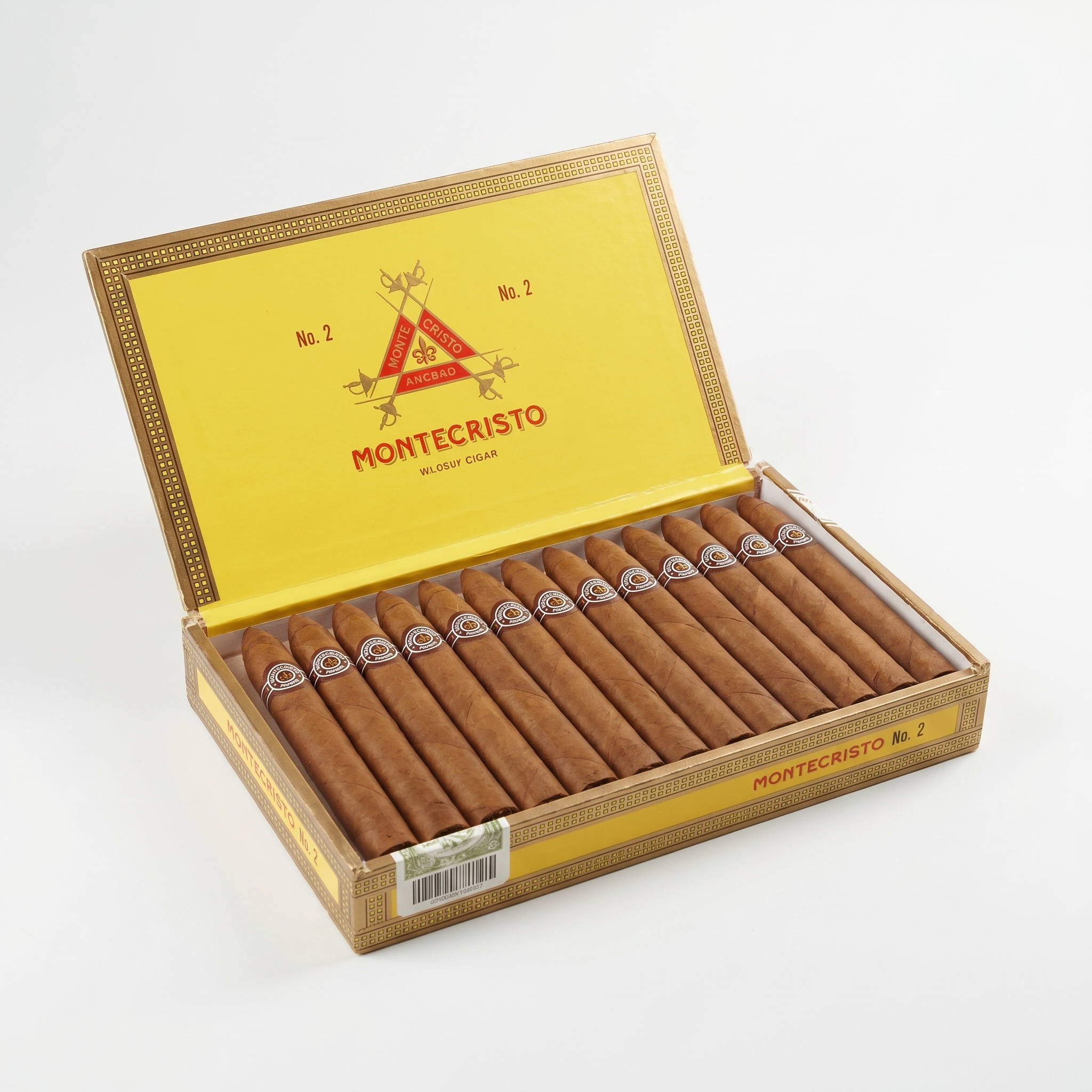
Montecristo No 2
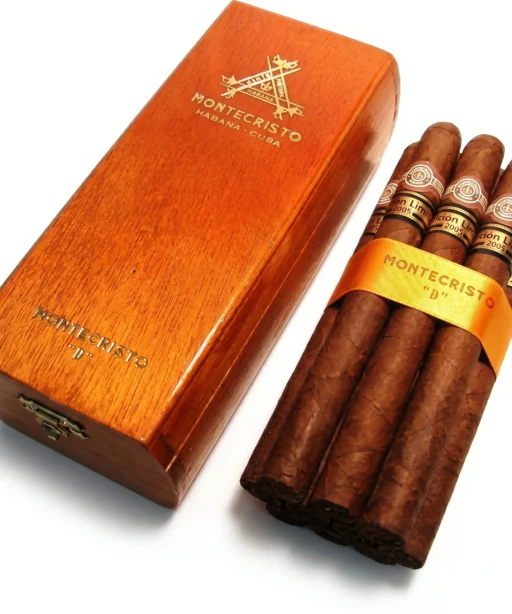
The Montecristo No 2 reflects the classic Montecristo idea: Cuban earth, cedar, coffee and a firm but controlled structure. The key format detail is Piramide (Torpedo), 156 mm (6 1/8 in) x 52. It should read as a precise Cuban cigar, not as generic luxury copy: format, storage and smoking pace matter more than slogans.
Montecristo is one of the central names in the Habanos S.A. portfolio. Its core identity is earthier than Cohiba and more measured than Partagás, with coffee, cedar and cocoa forming the backbone of the smoke.
Tasting Notes
The first third opens with earth, cedar and black coffee, and because the Piramide's tapered head concentrates the smoke before it reaches the palate, the opening draws read a touch more intense than on the parejo-shaped Montecristos. The draw should show steady resistance, enough to keep the smoke cool without muting the flavour.
In the middle third, cocoa, roasted nuts, leather and white pepper come forward, and as the torpedo widens toward its 52 ring gauge, the volume of smoke builds with it, deepening the body from that point on. Body is medium-to-full, listed strength is Medium-Full, and the format is generally regarded as the brand's most complete expression of Montecristo's earthy, coffee-driven identity.
The final third moves toward espresso, cedar and a dry tobacco finish, intensifying as the taper narrows toward the head, a structural signature of the piramide shape that the parejo-format Montecristos do not share. Well-stored examples keep the earth and cedar integrated through this last stretch; this is the format most associated with the Montecristo name at its most iconic.
Construction and Feel
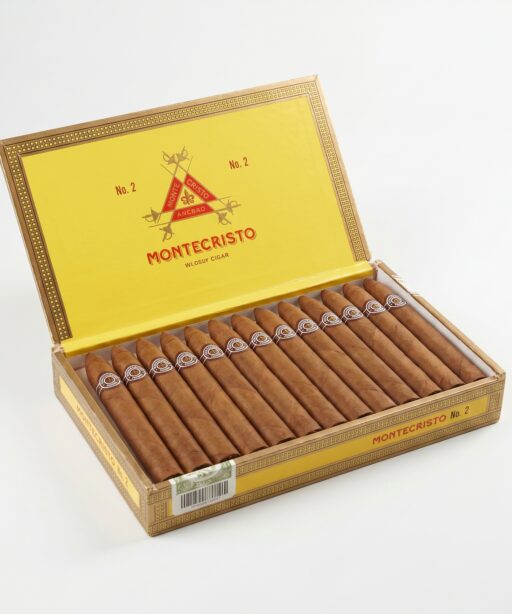
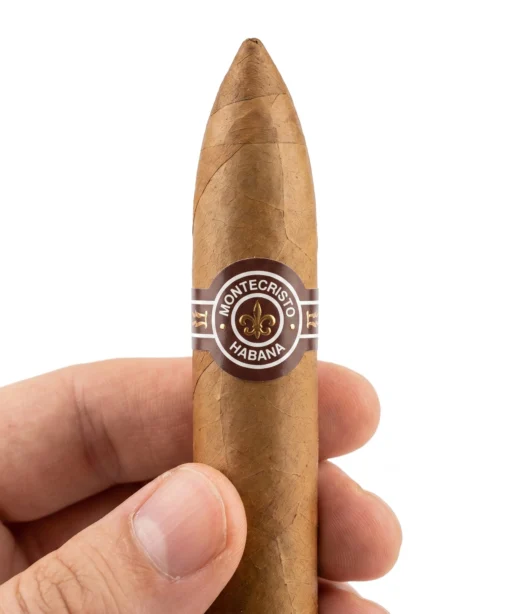
The Piramide (Torpedo) shape at 156 mm x 52 is Montecristo's most recognisable silhouette, a tapered head that narrows the draw gradually and a wide foot that opens generously. Expect careful cap work at the point, a firm bunch through the body, and smoke output that intensifies steadily from foot to head. This is the vitola most associated with special-occasion smoking within the range.
Value and Experience
Montecristo No 2 should be evaluated by format, age and provenance. For regular-production cigars, consistency and balance matter most. For limited, vintage or ceramic presentations, condition and storage history are part of the experience.
Storage and Care
The sheer volume of tobacco in this format buffers it against brief swings but also means recovery from any dry-out takes considerably longer than with a slimmer vitola — 65–70% is the right steady target. Montecristo tends to show storage stress first in the draw, so a stable, mid-range humidity matters more here than for lighter marcas. This longer format benefits from a slightly extended settling period — seven to ten days in the humidor after unboxing is a reasonable rule of thumb.
Frequently Asked Questions
What does Montecristo No 2 taste like?
Expect earth, cedar and black coffee, then cocoa, roasted nuts, leather and white pepper. The finish usually moves toward espresso, cedar and a dry tobacco finish, with strength and body shaped by vitola, age and storage.
Is Montecristo No 2 stronger than Cohiba?
Not always. Montecristo often feels earthier and more coffee-driven, while Cohiba usually reads creamier and more polished. Strength depends on the exact vitola and release.
Should I age this Montecristo?
At medium-to-full strength, this cigar has enough structure to benefit from one to four years of rest, with the profile becoming more integrated rather than dramatically different. With this much tobacco mass, the format has real depth to age into over a decade or more, unfolding more slowly but more completely than a slimmer vitola ever could. The gains described above assume consistent conditions throughout; inconsistent storage undermines aging rather than accelerating it.
Related Reading