How to Verify Authentic Cuban Cigars: Seals, Bands & Box Codes
Counterfeit Cuban cigars outnumber real ones in many tourist markets, and fakes have become good enough to fool casual smokers. This guide shows you exactly what to check — band, box, seal and vendor — before you spend a dollar. It is the same checklist our team runs on every box we source.
The 60-Second Check: What to Look at First
- The Habanos S.A. warranty seal on the box — hologram, barcode and serial number present and undamaged.
- The box stamps — “Habanos s.a.”, “HECHO EN CUBA” and “Totalmente a mano” burned or inked on the bottom, plus a factory/date code.
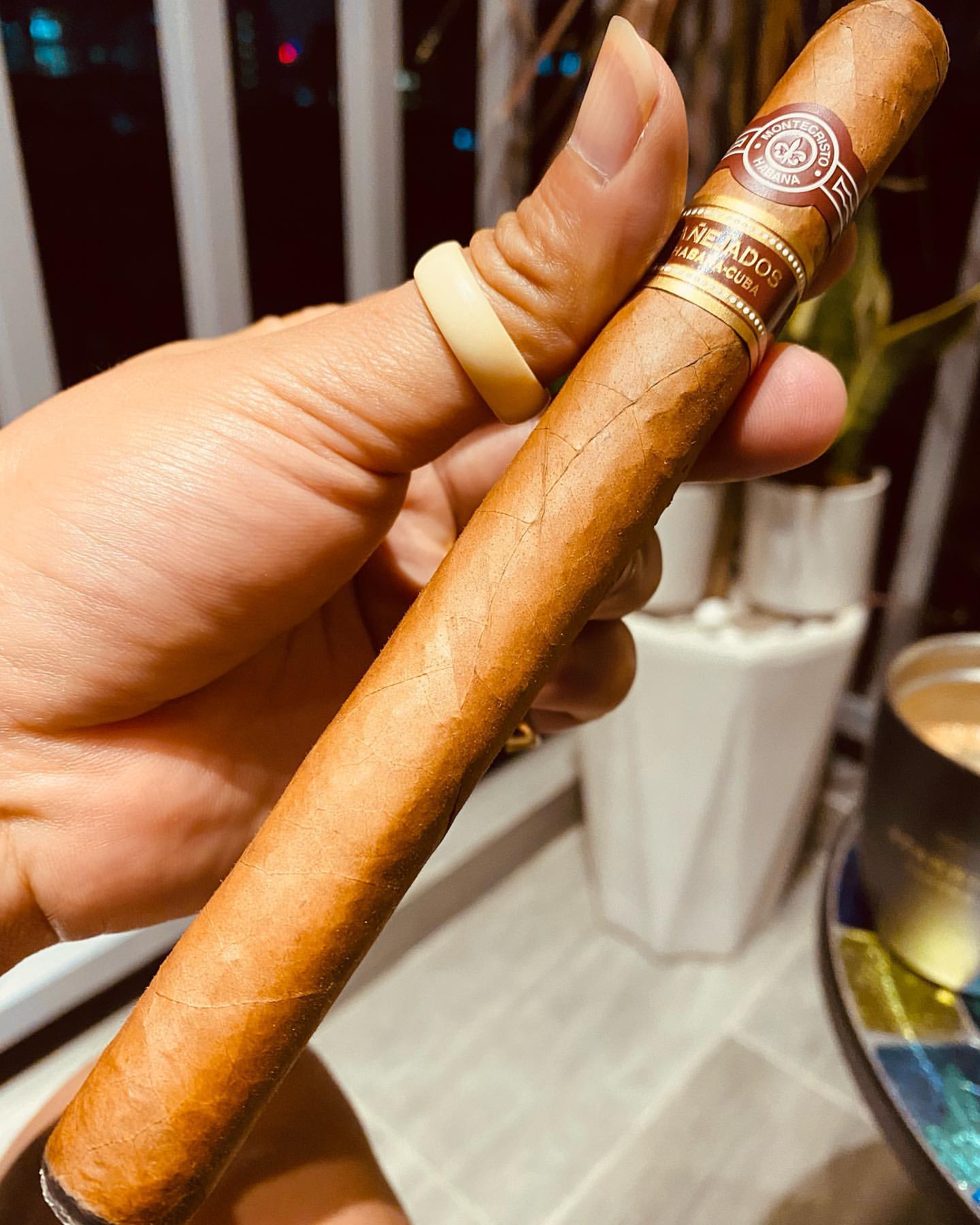
- The bands — crisp embossing, correct typography, and (for Cohiba and Trinidad) the security hologram.
- The price — if a box of Cohiba Behike costs what a dinner for two costs, it is fake. No exceptions.
If any one of these fails, walk away. The sections below explain each check in detail.
1. The Cuban Warranty Seal
Every legitimate box of Habanos carries the green-and-white Cuban Government warranty seal on the front-left corner. Since 2020 the seal includes:
- A holographic strip on the right side showing a tobacco leaf and the Habanos logo that shift under angled light.
- A barcode and unique serial number that can be verified on Habanos S.A.’s official verification page (habanos.com → “Warranty seal check”). Enter the serial and the site confirms brand, format and box details.
- Microprinting along the border that dissolves into dots on photocopied fakes.
Red flag: seals that are glued crooked at both ends (real seals are applied over the lid edge so the box cannot open without tearing it), seals with flat, non-shifting “holograms”, or serials that return no result on the official checker.
2. Box Stamps and Codes
Turn the box over. The underside of a genuine box carries:
- “Habanos s.a.” — the sello de garantía of the industry.
- “HECHO EN CUBA” — always in Spanish. “Made in Cuba” in English is an instant fake tell.
- “Totalmente a mano” — “totally by hand”. This exact phrase matters: “Hecho a mano” (partly machine-made) on a premium marca is wrong.
- A factory code and date stamp — e.g. LGR MAR 24: factory code (rotated regularly by Habanos S.A.) plus month/year of boxing. Fresh boxes with date codes from years ago, or codes that never existed, are counterfeit or relabeled.
3. The Bands
Counterfeiters get the general look right and the details wrong. Under a loupe or good phone camera zoom:
- Cohiba: since 2014, bands carry a square security hologram on the right of the head. The white squares in the checkered pattern are embossed (raised) and the black field has a subtle sheen. Blurry gold, flat squares or a missing hologram = fake.
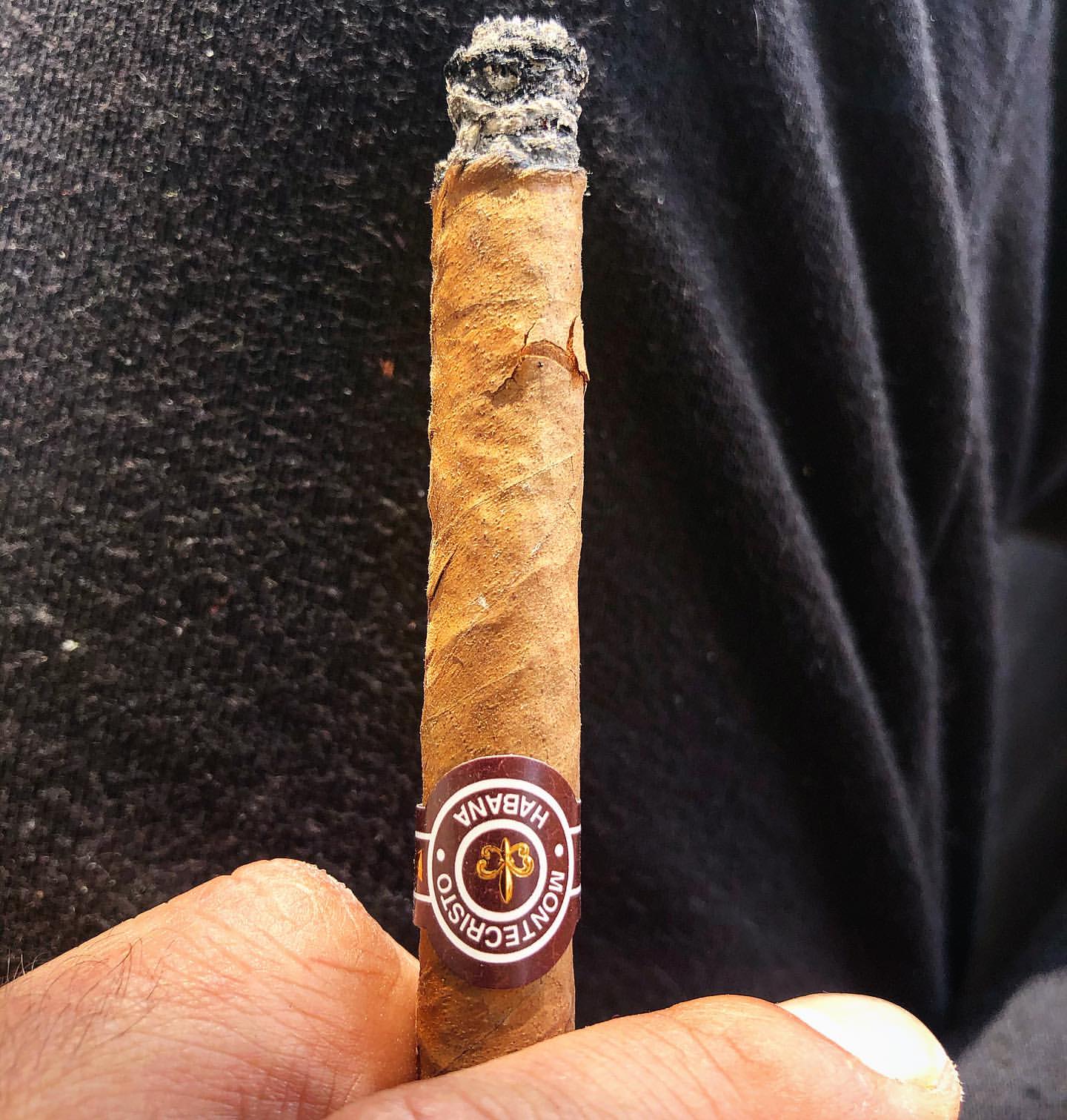
- Montecristo, Partagas, Romeo y Julieta, H. Upmann: check embossing depth, sharp serif typography and color registration — real bands never have ink bleeding outside the borders.
- Consistency across the box: in a genuine box, all 10 or 25 bands sit at the same height and orientation. Hand-rolled street fakes are sloppy here.
4. The Cigars Themselves
- Triple cap: Cuban premium cigars are finished with a triple seam cap — three visible lines at the head. Most fakes have a single-seam cap.
- Wrapper: silky, slightly oily, with fine veins. Coarse, papery or heavily veined wrappers on a “Cohiba” are wrong.
- Fill: gently squeeze — even, springy resistance. Hard spots or a crunchy feel mean short filler or stems, which Habanos never ships in premium vitolas.
- Aroma: barnyard, cedar and cocoa notes even unlit. Fakes often smell of nothing, or of ammonia from uncured tobacco.
5. Where Fakes Come From — and the Traps to Avoid
- Glass-top boxes: Habanos S.A. does not produce glass-top presentation boxes. Every one is fake, everywhere, always.
- Street and beach vendors in Cuba: “my cousin works at the factory” is the oldest scam in Havana. Real Habanos in Cuba are sold at LCDH (La Casa del Habano) stores and licensed hotel shops only.
- Marketplace listings (eBay, Facebook Marketplace, classifieds): Habanos are not legally distributed through them; assume fake.
- “Duty free deals” at 70-90% off: genuine Cuban cigars have tightly controlled wholesale pricing. Nobody sells real Behike at 80% off.
6. Buying Online Safely: the Vendor Checklist
Beyond the product, verify the merchant:
- Physical address and phone published and consistent across the site.
- Real photos of actual boxes in stock — including warranty seals and box codes — not just brand press images.
- Humidity-protected shipping explained concretely (packing method, humidification, transit protection). Cigars that travel dry arrive cracked and stale.
- Reviews on independent platforms, not only on the store’s own pages.
- Clear answers pre-sale: a legitimate merchant will photograph the exact box you are buying — seal, code and bands — before you pay. We do this on request for every order.
Frequently Asked Questions
How do I verify a Cuban warranty seal serial number?
Go to the official Habanos S.A. website and open the warranty seal check tool, then enter the barcode/serial from the seal. It returns the marca and packaging details, which must match the box in your hands. A “not found” result on a post-2020 box is a strong fake indicator.
What does the box code on Cuban cigars mean?
It is two stamps: a letter code identifying the rolling factory and a month/year date of boxing (e.g. MAR 24). Habanos S.A. rotates factory codes periodically precisely to make counterfeiting harder, so a “factory list” from an old forum post may not match current codes.
Are glass-top boxes of Cohiba ever real?
No. Habanos S.A. has never commercialized glass-top boxes. They are the single most reliable fake tell in existence.
Can a cigar be real if the box is fake?
Occasionally counterfeiters put genuine loose cigars in fake premium packaging (or vice versa), but for practical purposes: if the packaging fails verification, treat the contents as fake. You are paying for the guarantee as much as for the tobacco.
Do authentic Cuban cigars come with certificates of authenticity?
No paper “certificate” exists — the warranty seal, box stamps and bands ARE the authentication system. A vendor waving a printed “certificate of authenticity” while the seal fails inspection is a red flag, not reassurance.
Our Verification Promise
Every box we ship is photographed with its warranty seal and box code before packing, and travels in humidity-protected packaging. If you want the exact photos of your box before it ships, just ask — that is what a Habanos merchant should be able to do without hesitation.